Personal Work

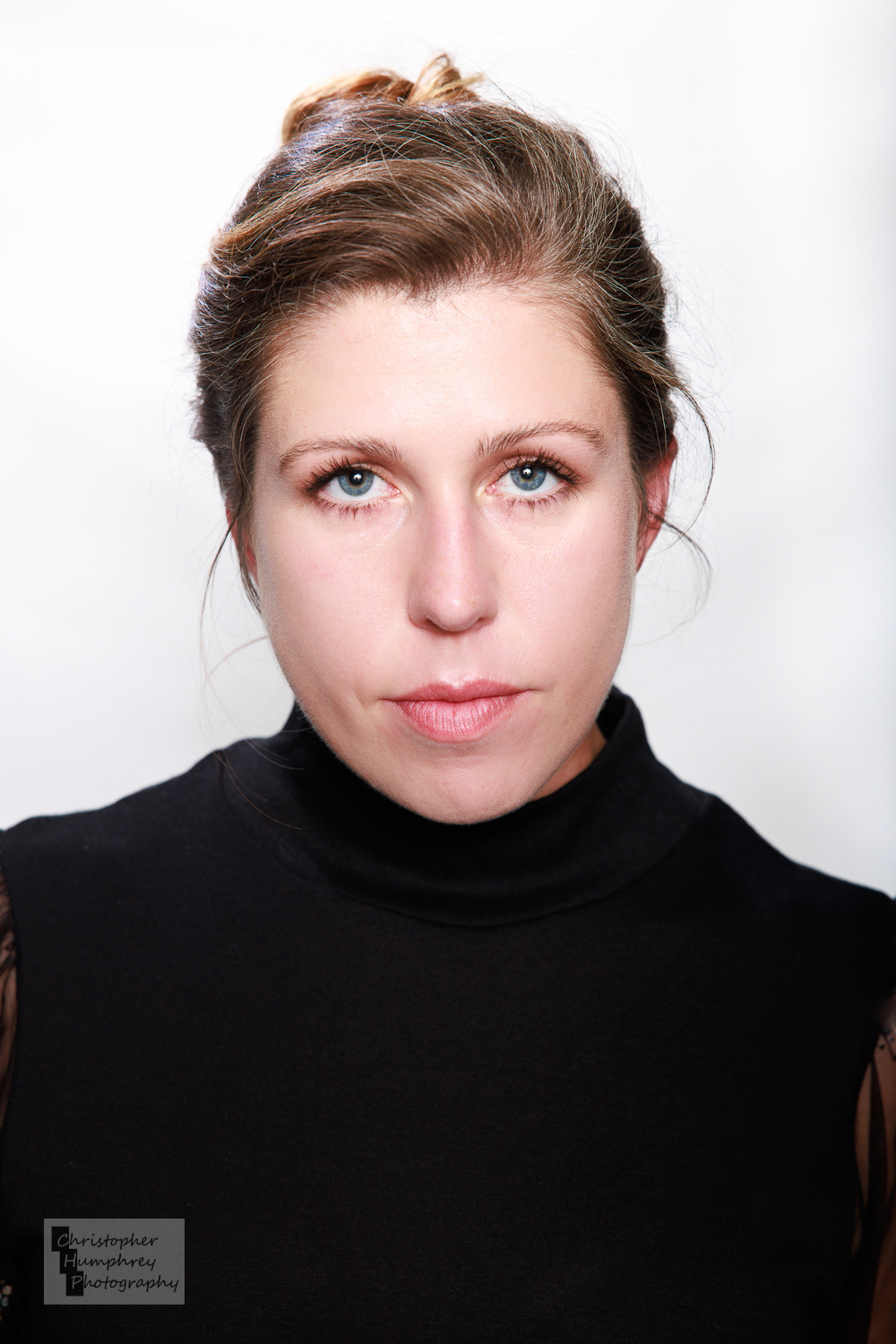
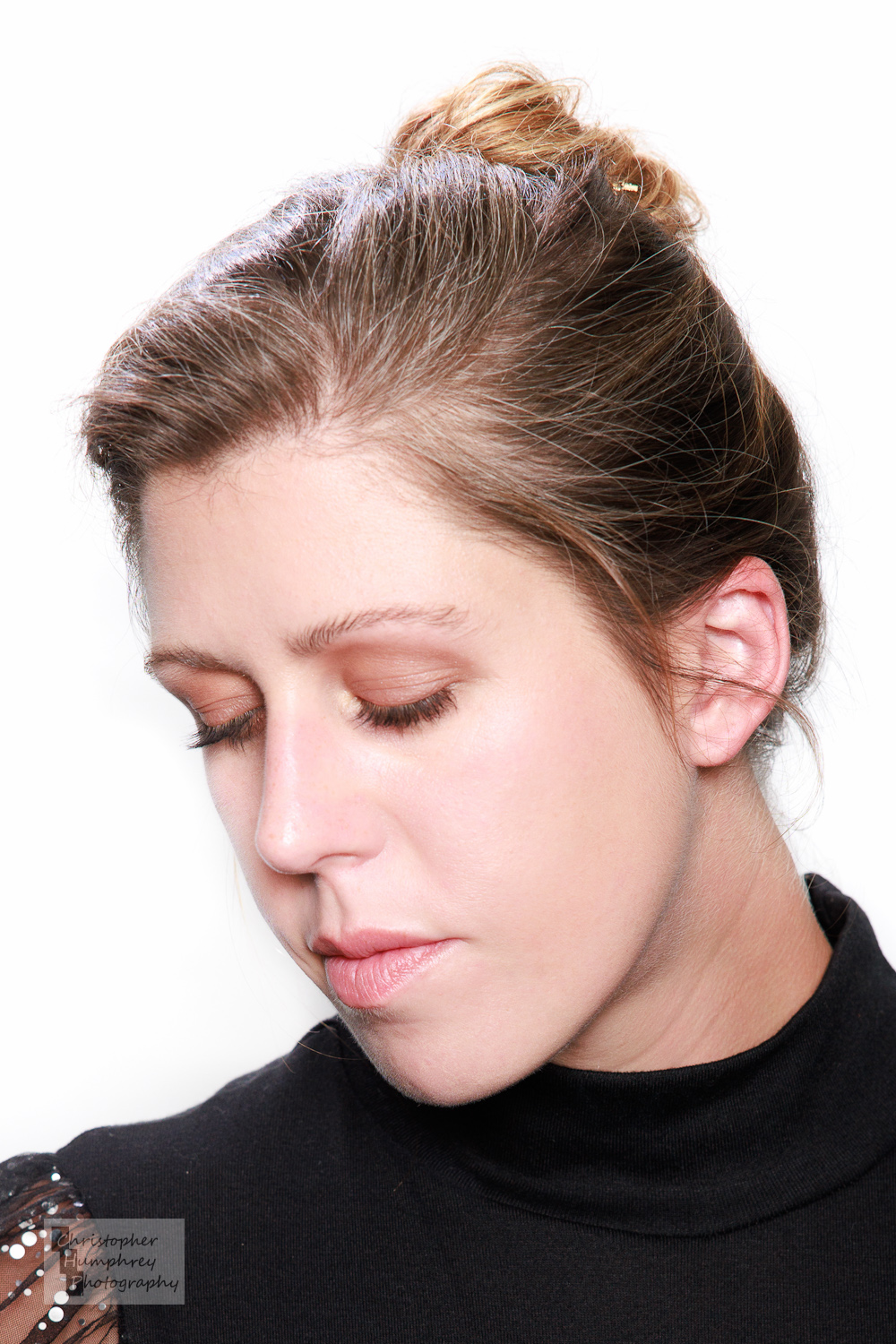
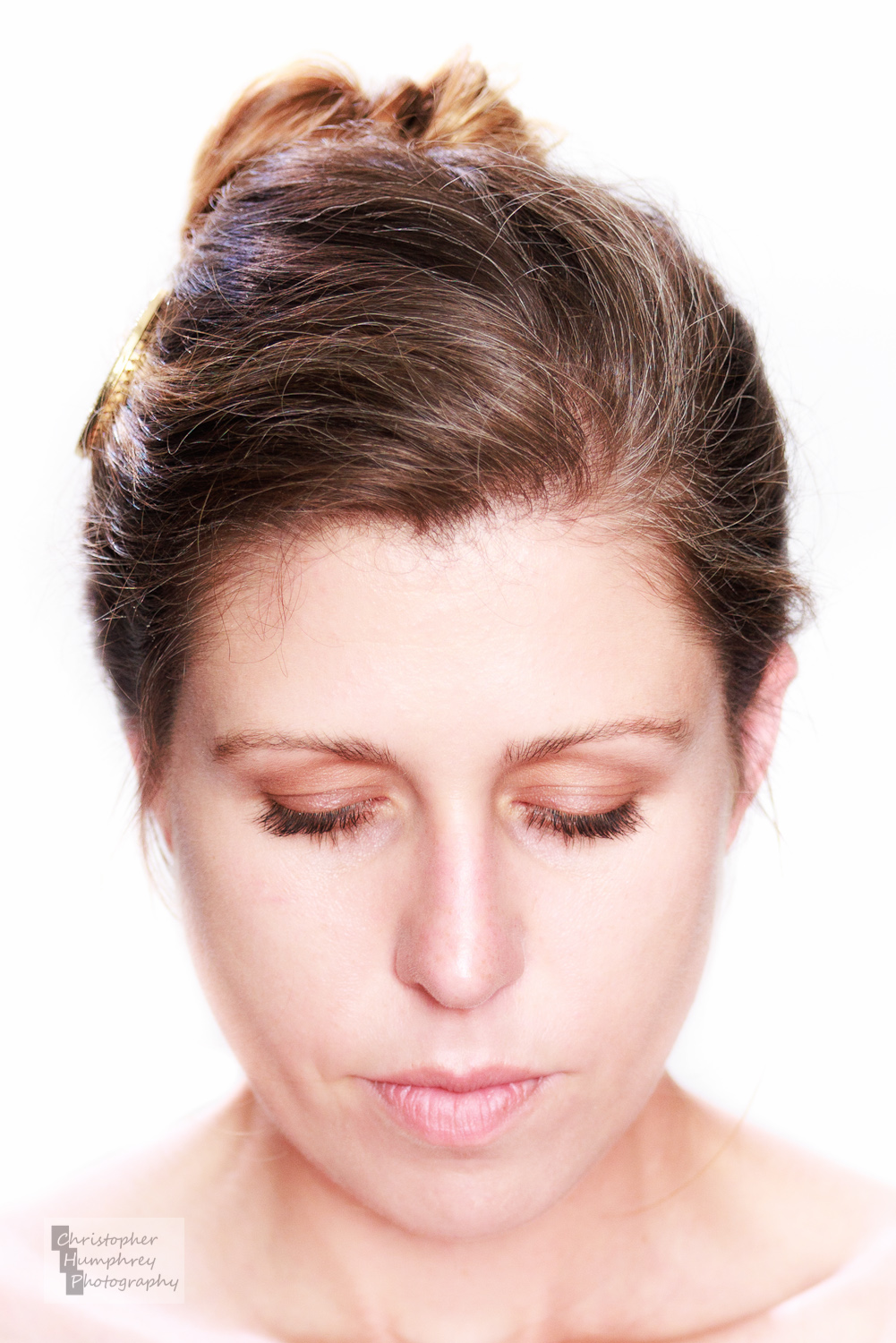
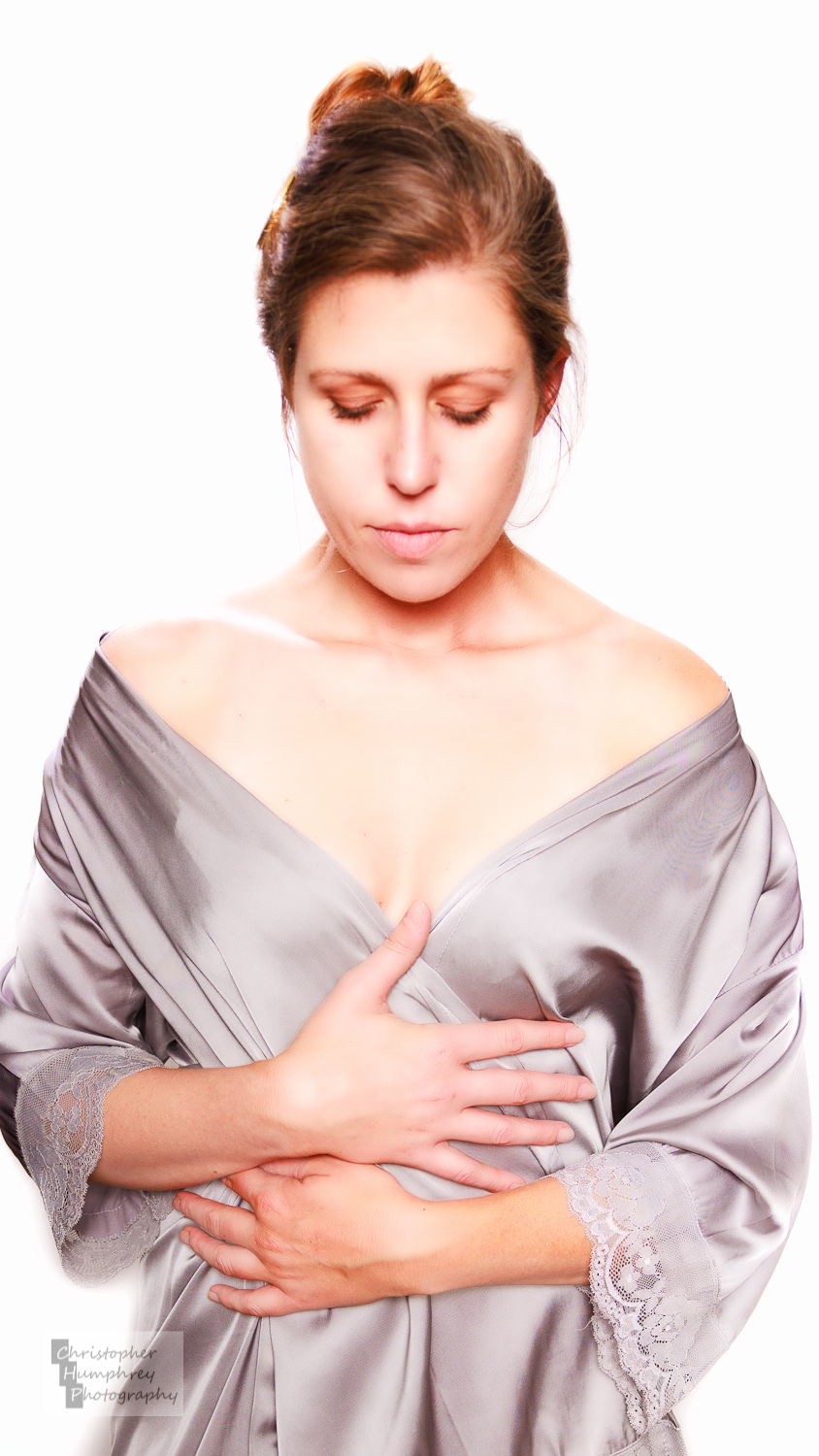
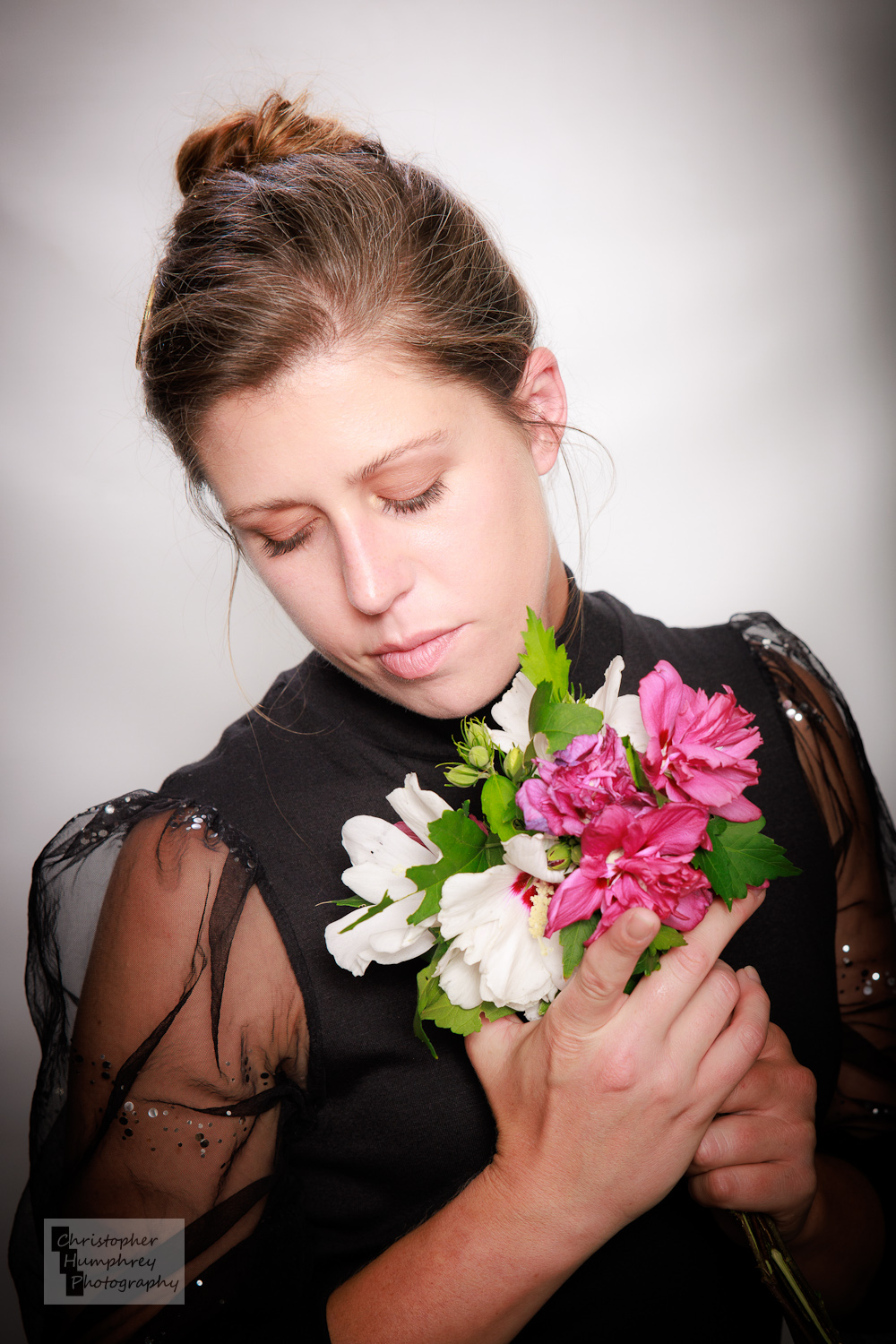
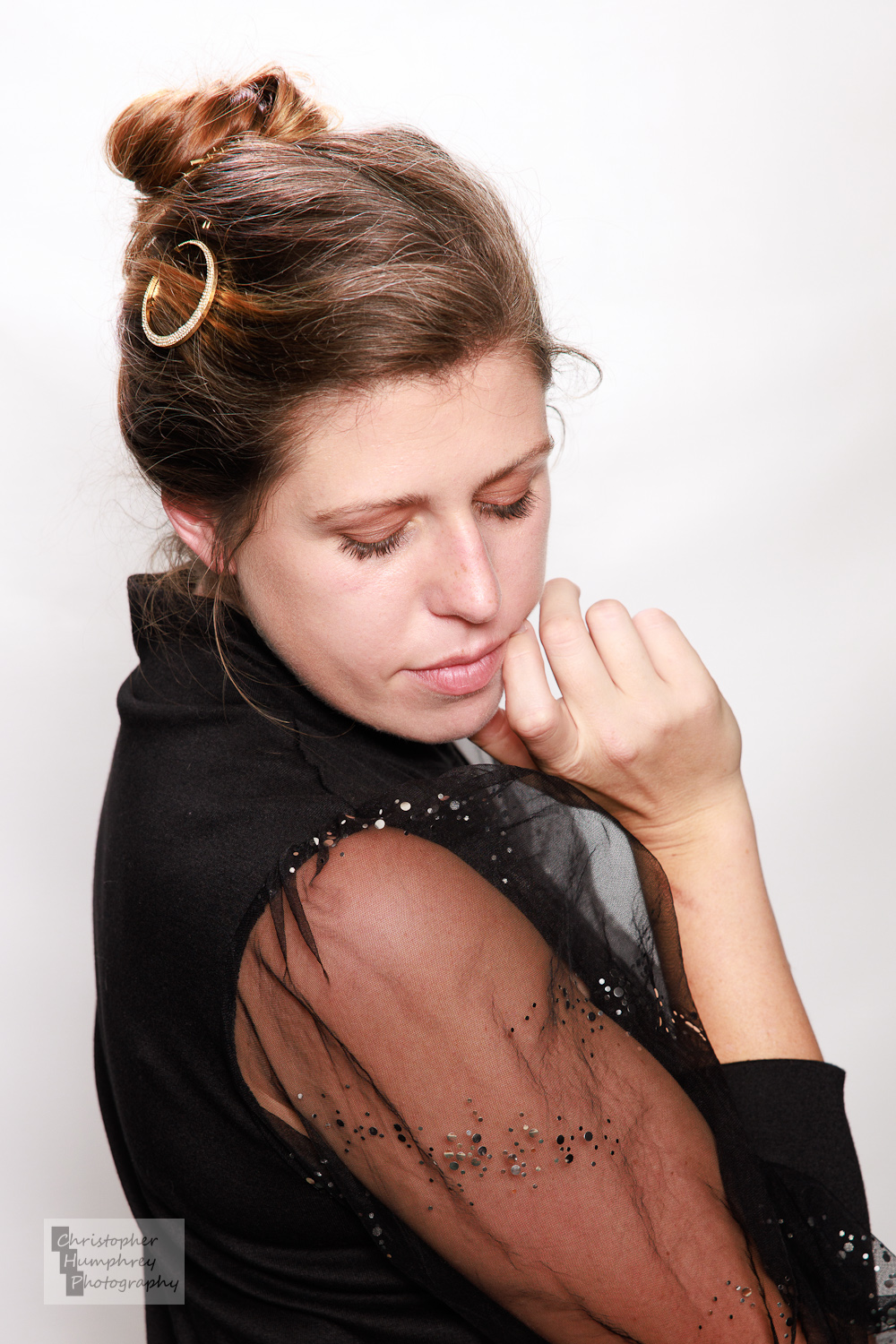
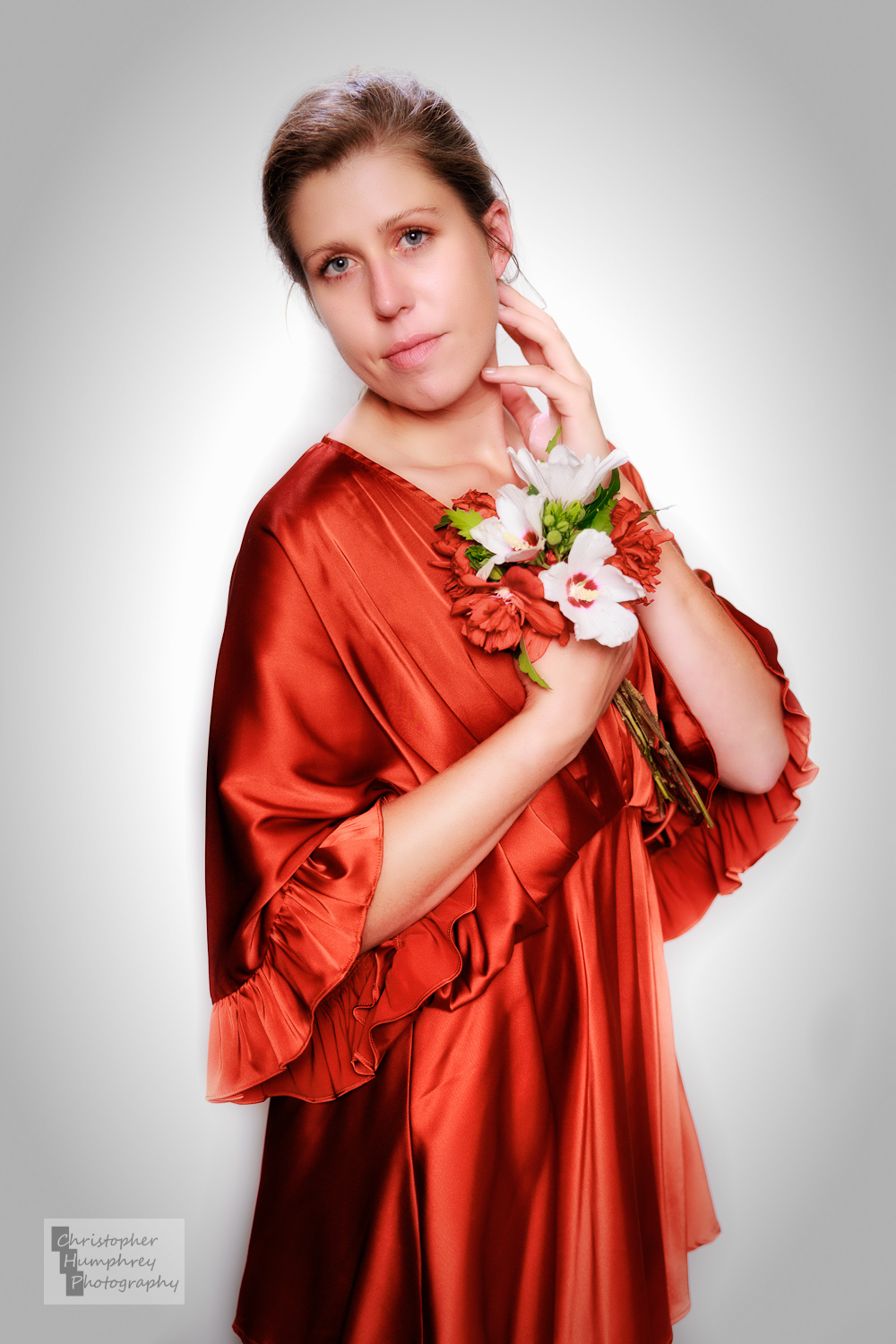
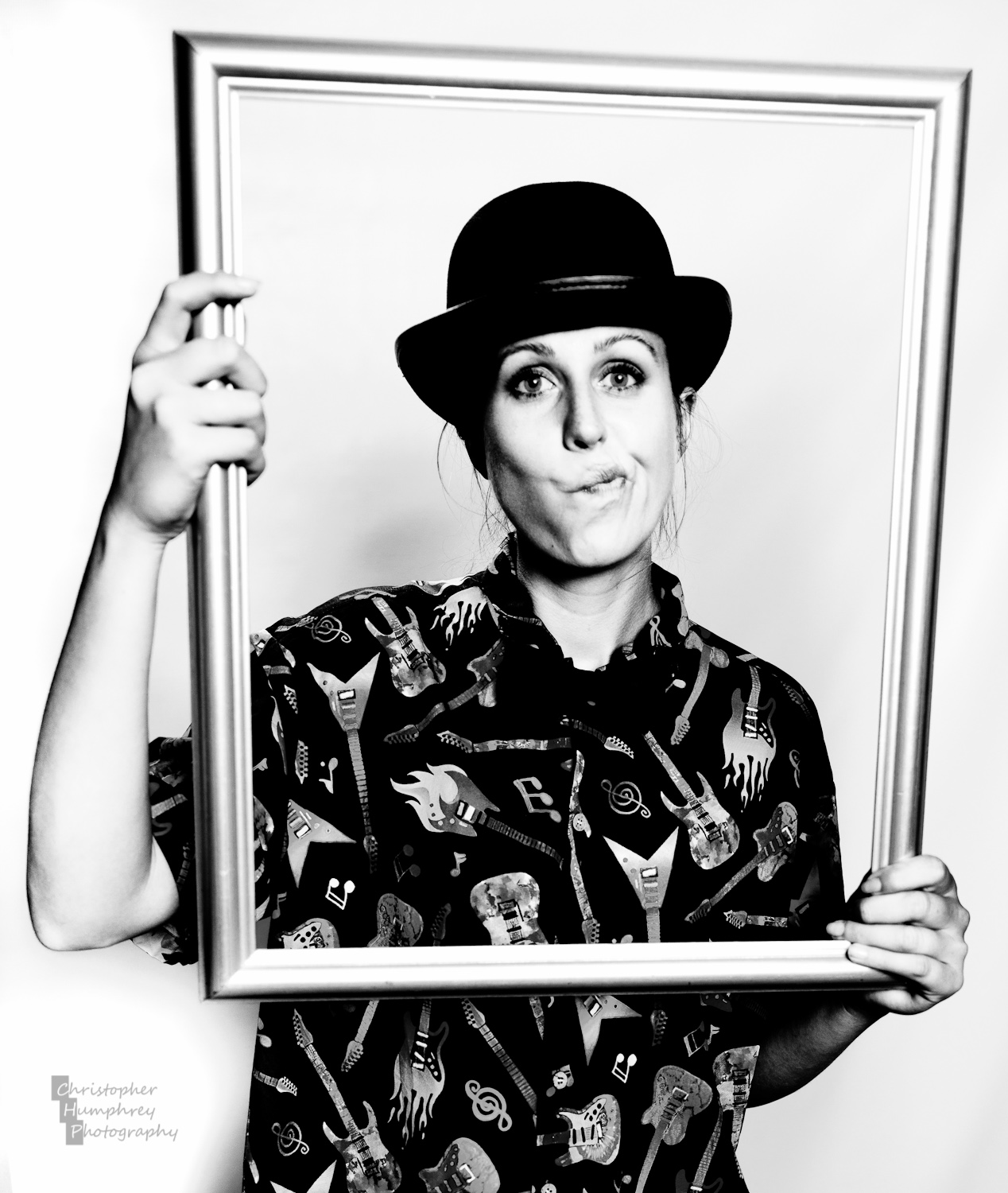
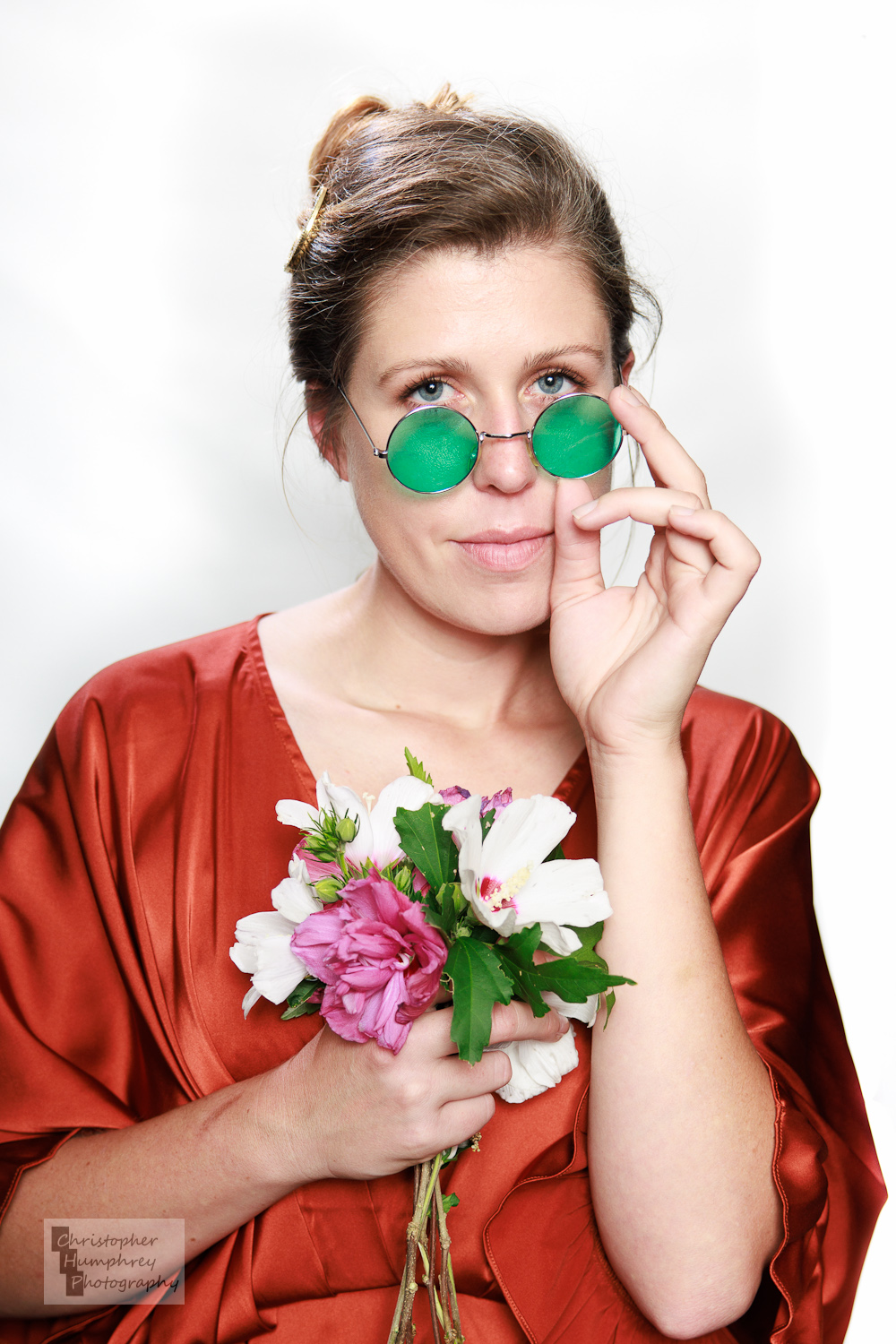
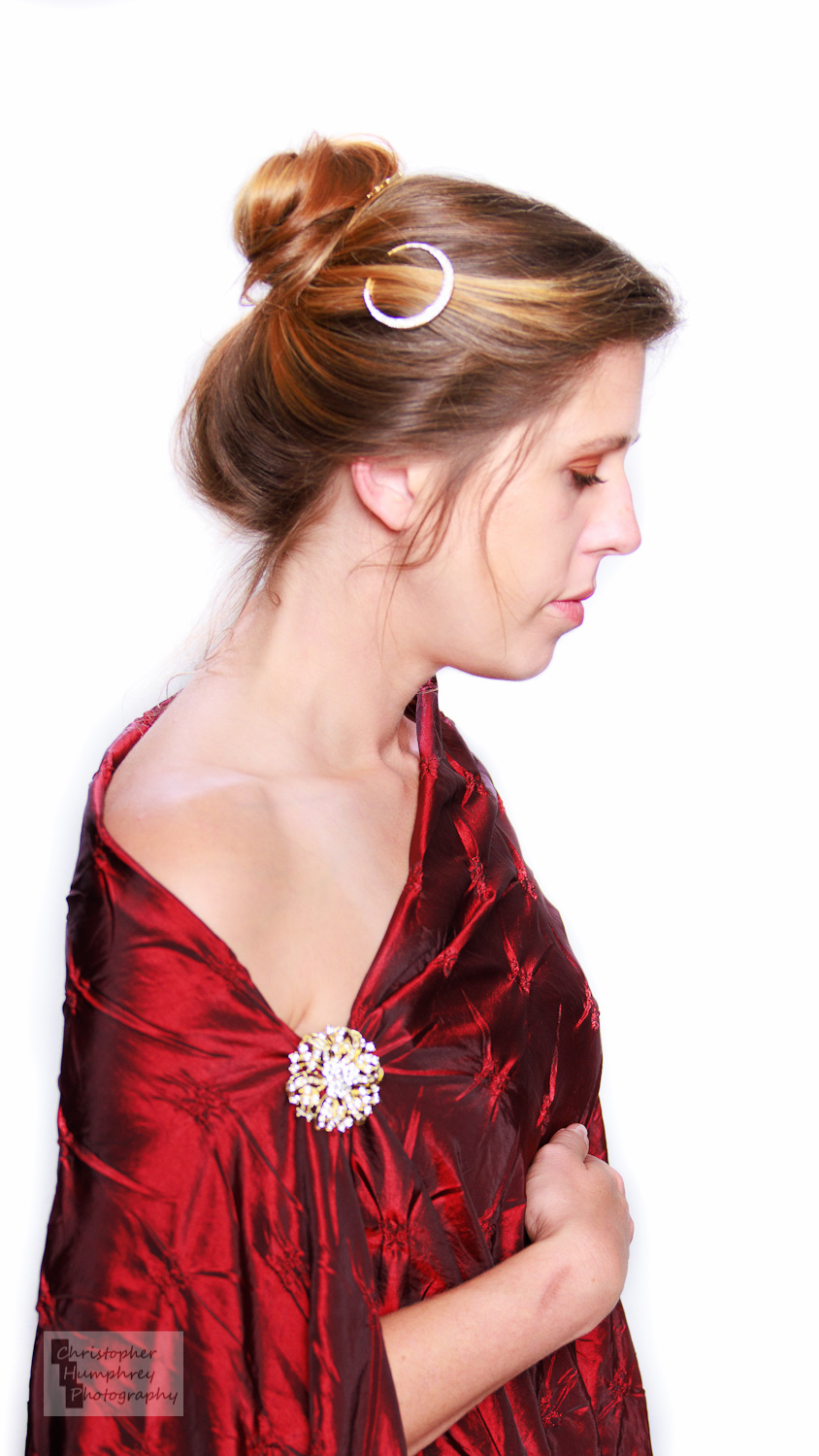
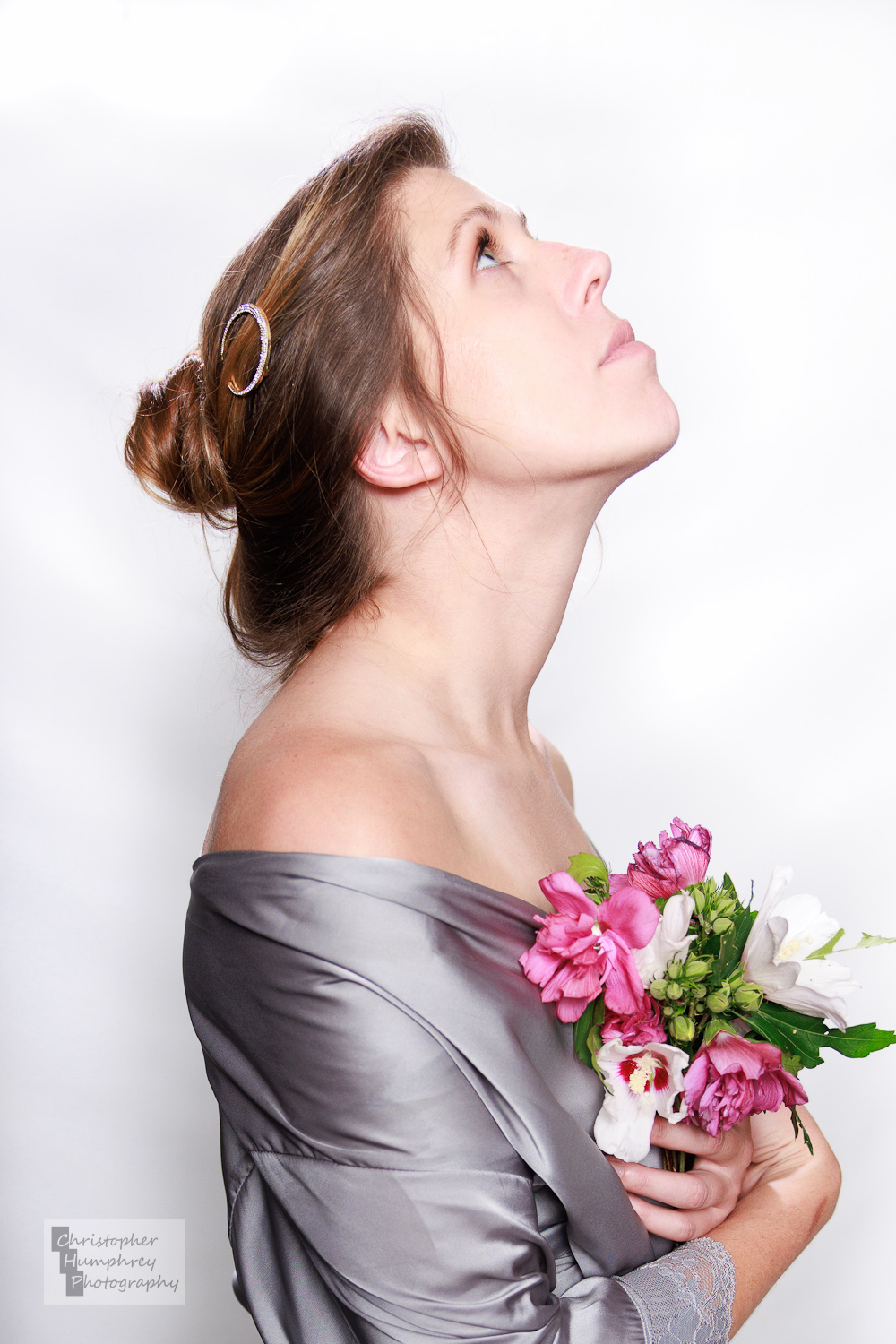
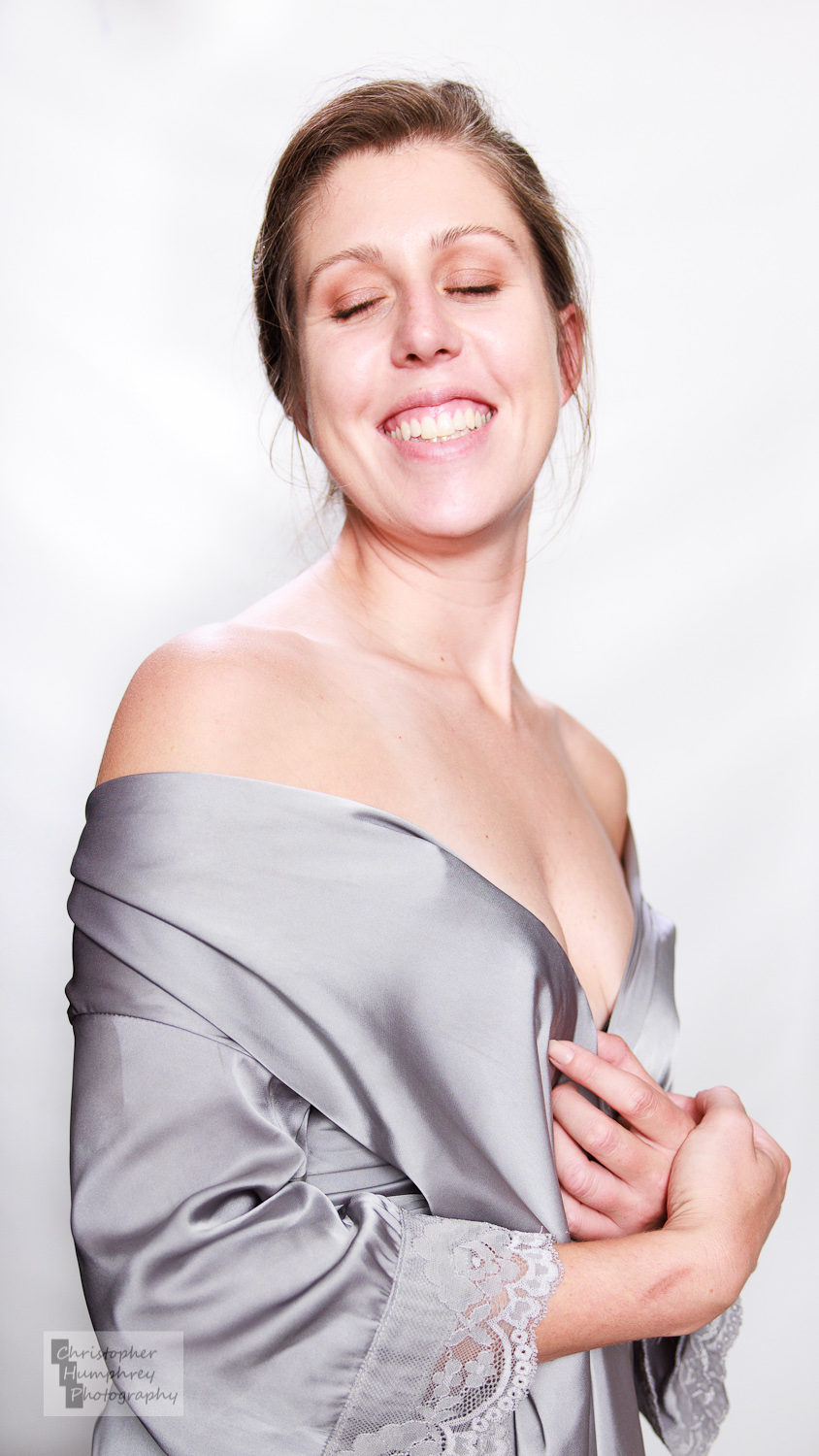
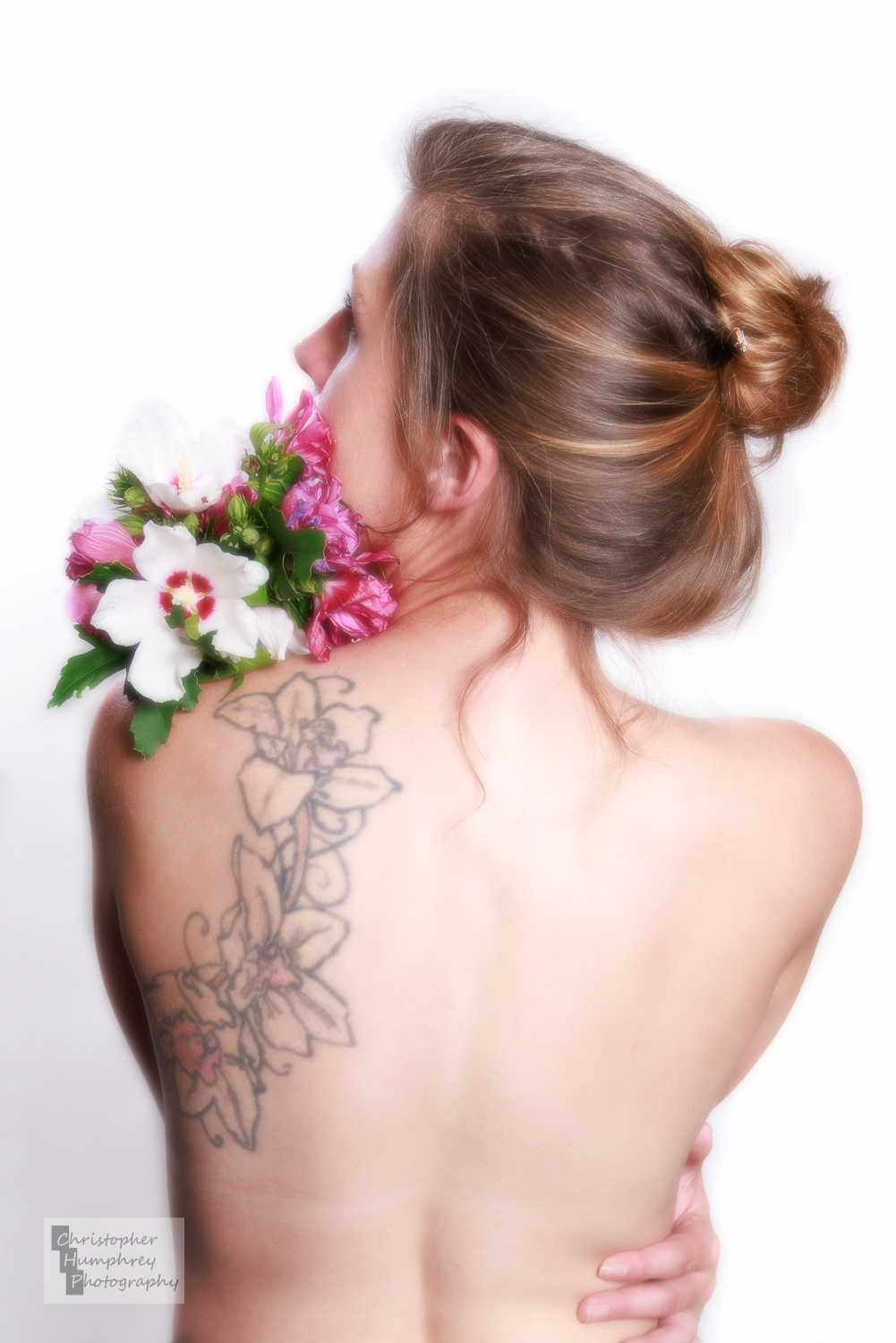
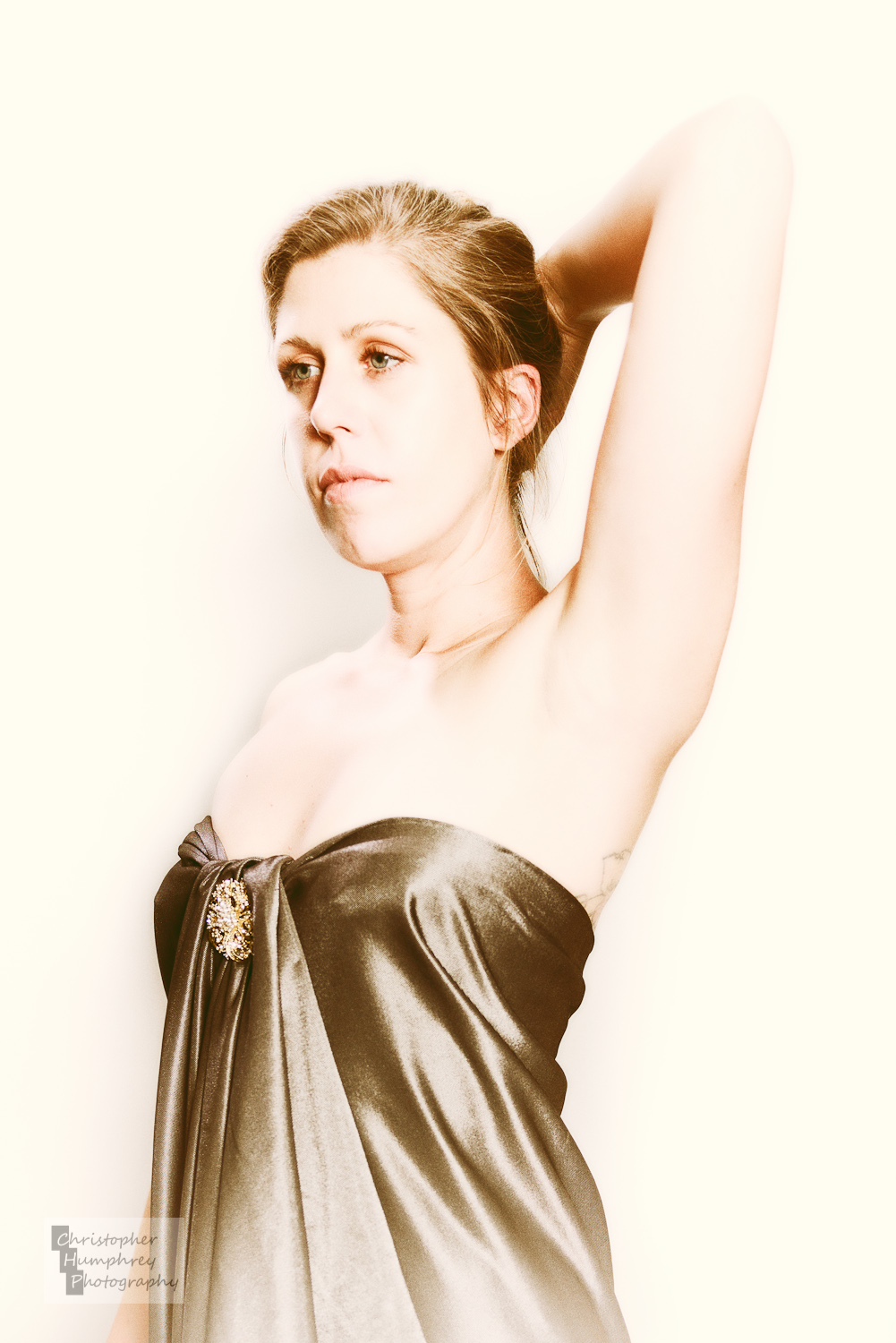
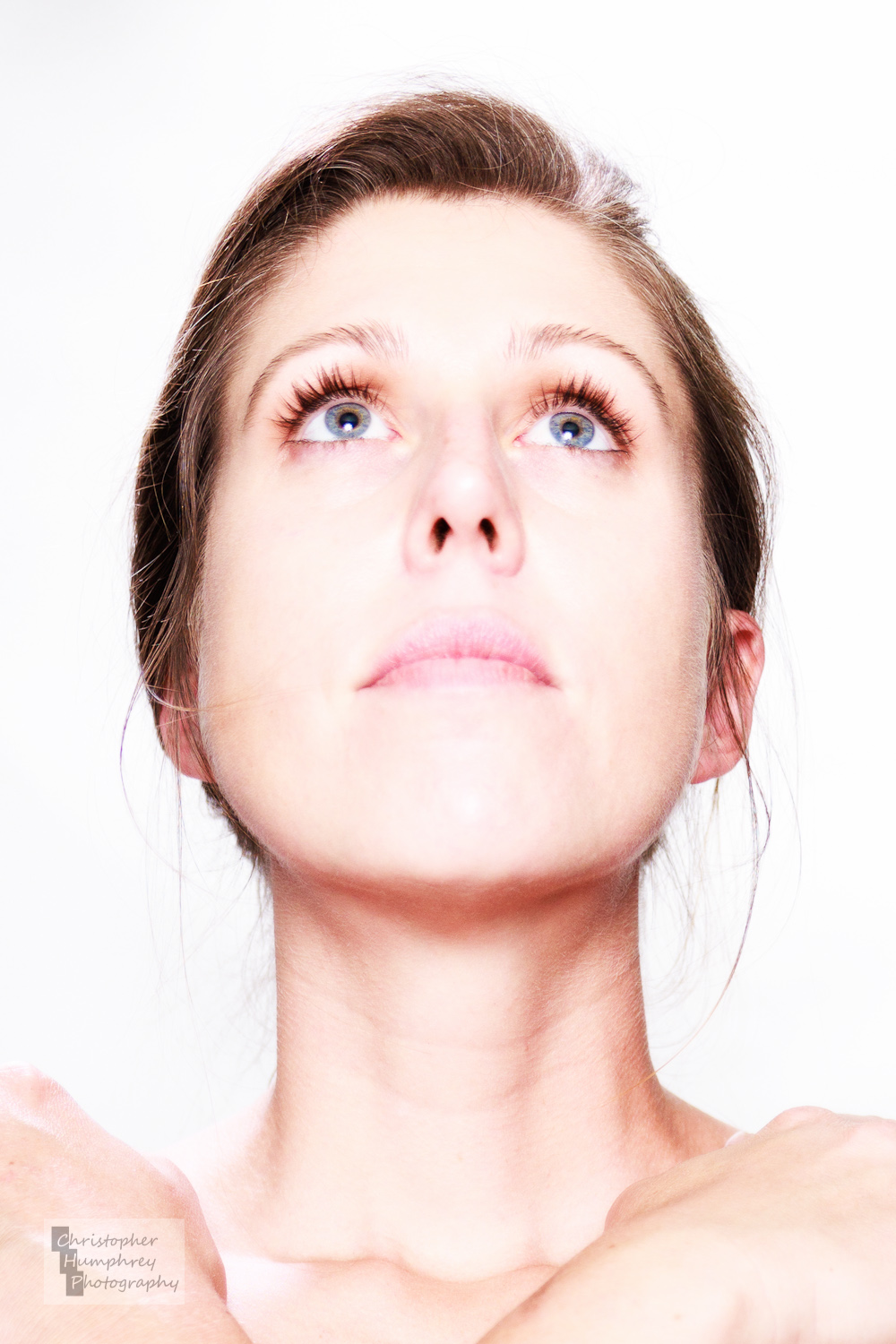
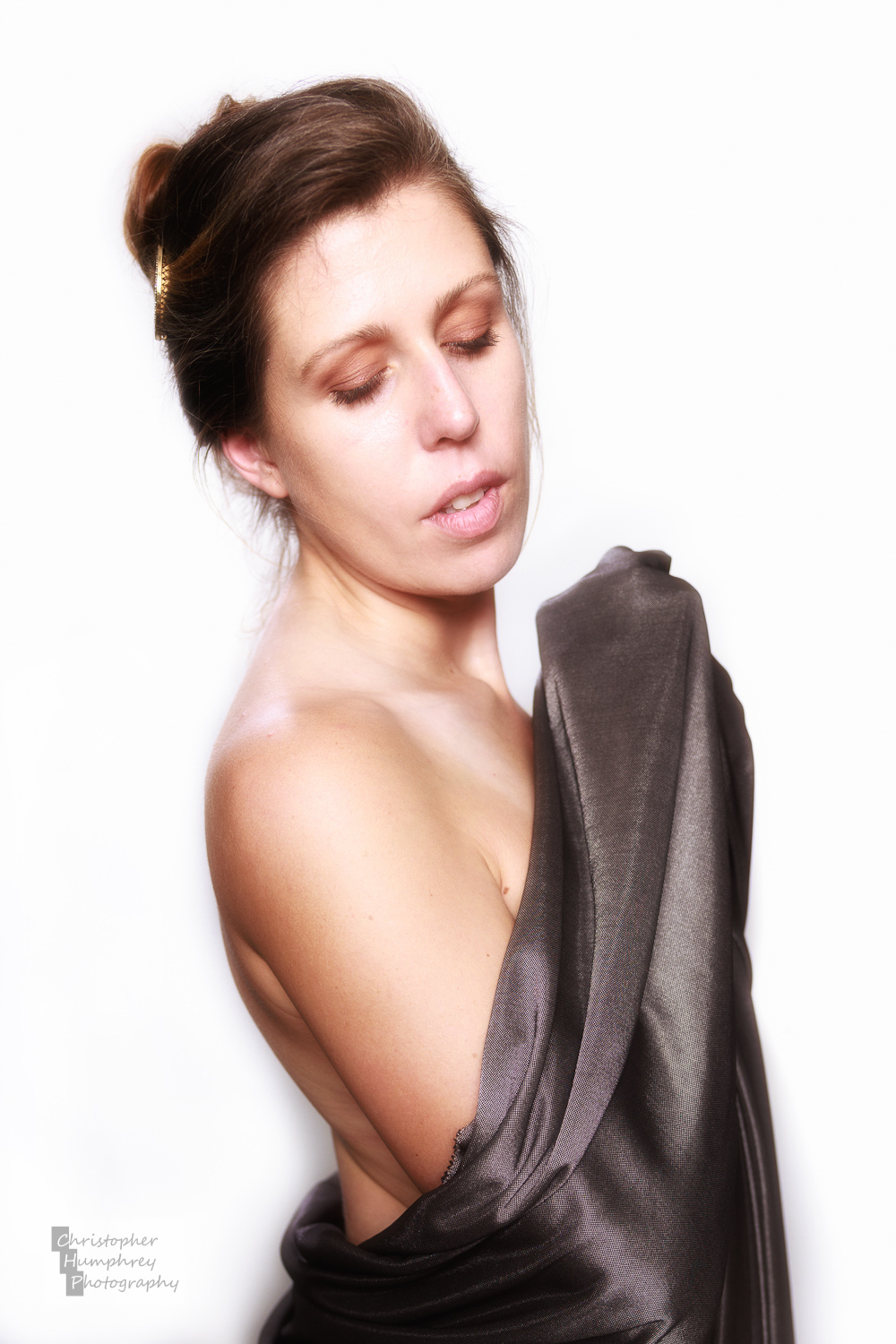
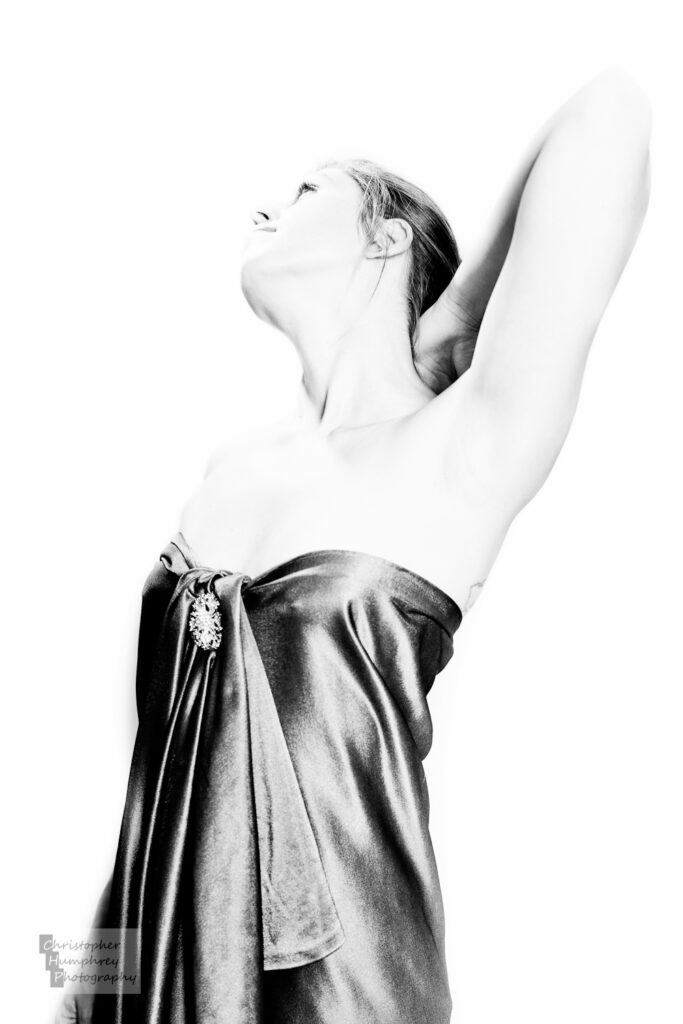
High-Key Portraiture with Sheldon
This is more like a blog post; I can’t not reflect on what I’m doing as a photographer.
An experienced photographer once said, “If you want beautiful pictures of women, photograph beautiful women.” There’s a lot of truth to this, but it’s not enough. I see a lot of novice (and not-so-novice) photography on Facebook. Most of it is of pretty young women, outside in various venues and at different times of day (fields, stone buildings, cars, street scenes at night, and so forth). Some of it is good. If the woman is particularly good-looking, you are less likely to notice the photography, a lot of which is, frankly, boring.
If the photographer keeps at it, and has the desire and ability to learn, he or she will eventually produce something arresting, or worth looking at twice. It takes time and experience, and a certain restless creativity, to do more than produce the same kind of image over and over. Ideally you photograph a beautiful woman in a way that isn’t the same as everything everyone else is doing, and isn’t the same as the way you have photographed her in the past. If you fall into a habitually doing the same thing, it can be a limiting style.
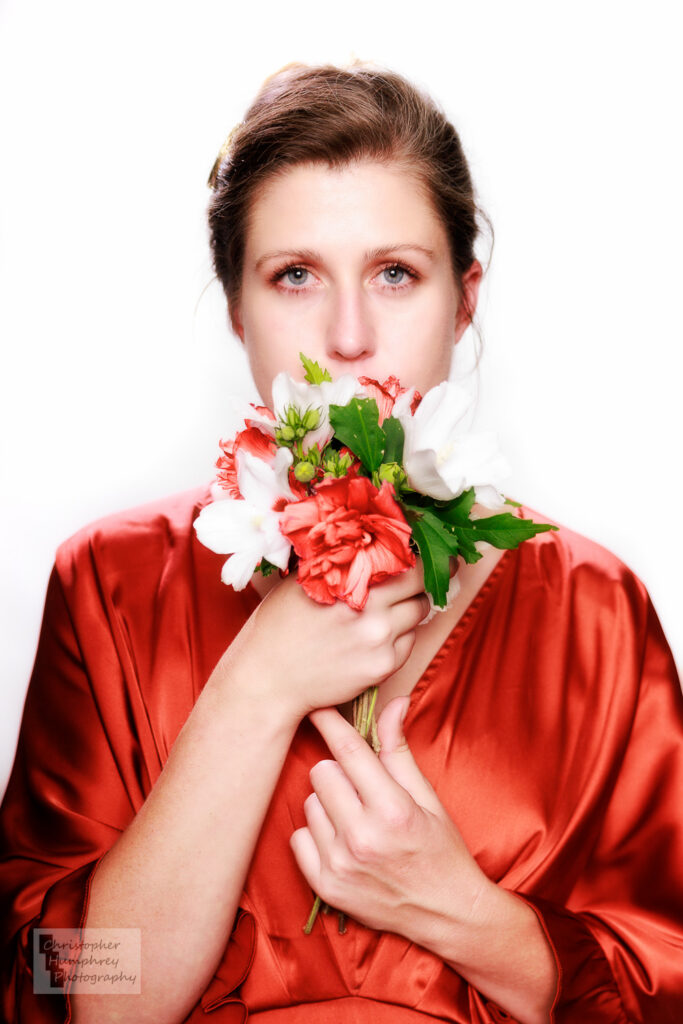
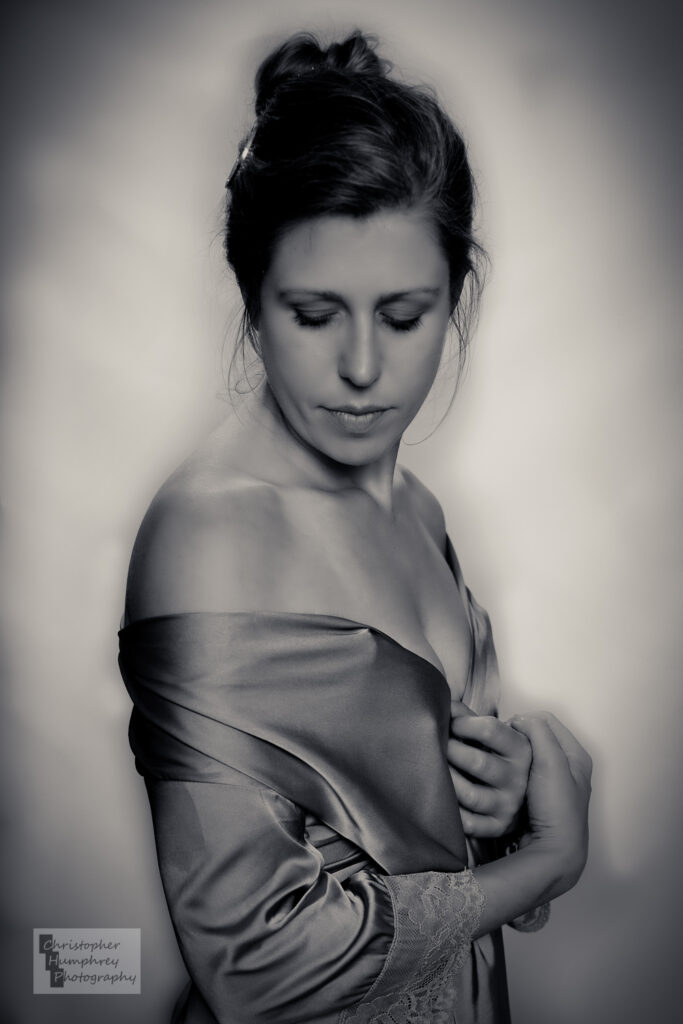
When you find the digital capture of beauty intoxicating, as I do, and each shot costs you nothing, it’s hard to resist just firing away, producing a lot of images that look very similar. To do something different, however, you can alter what you can control in many ways: framing and composition; the camera’s vertical angle; lens (depth of field, etc.; special-effects lenses); proximity to the subject (foreshortening, etc.); lighting (a big area for exploration); wardrobe and accessories; and scene or background.
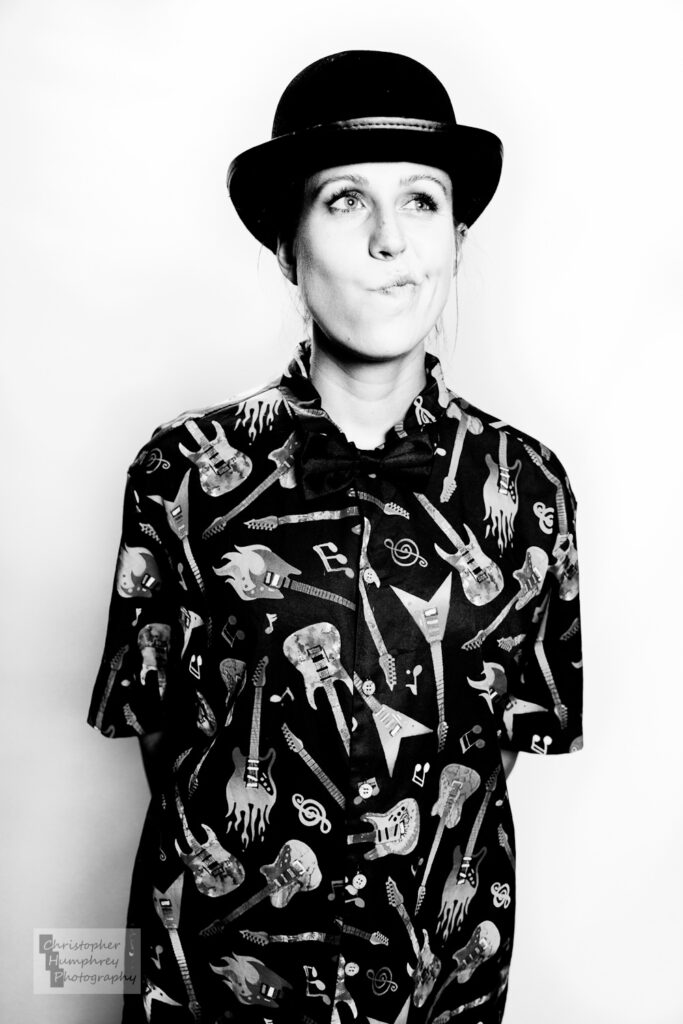
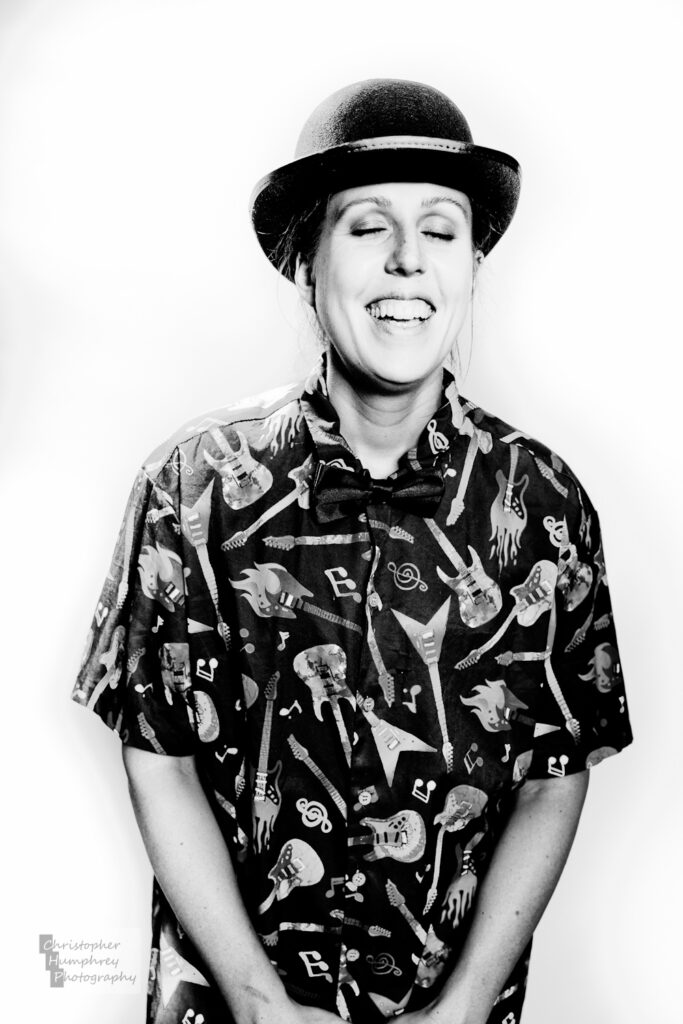
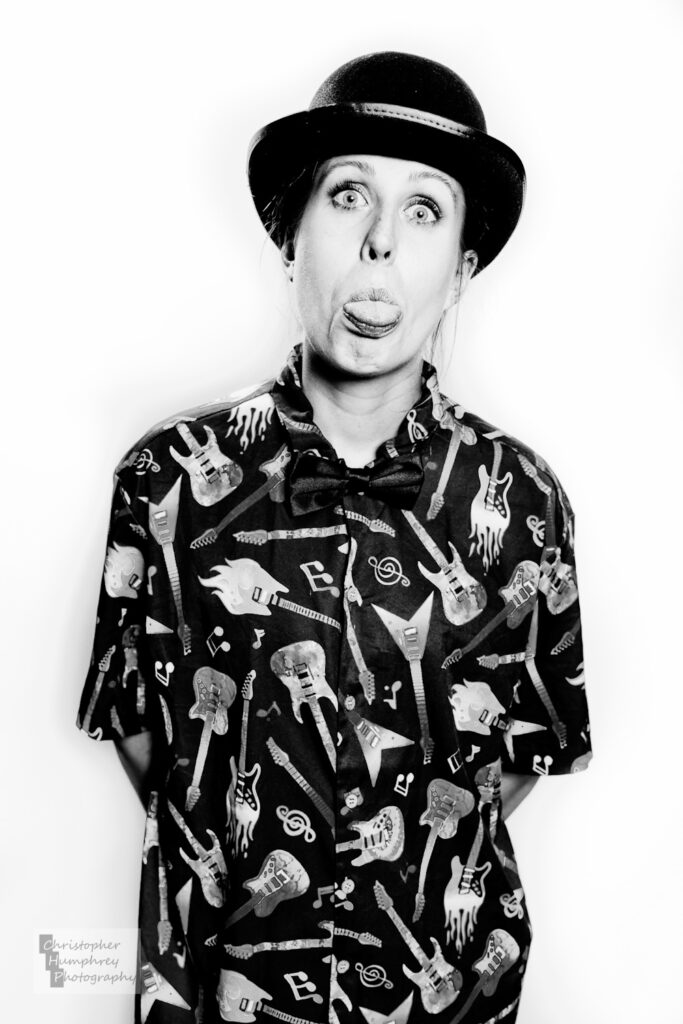
And then, of course, there is post-processing, which has always been a part of the creative photographic process. (For example, the famous black-and-white landscape photographer, Ansel Adams, used to take the sky from one image and put it into another image.)
Another factor in the creative process, which can’t be minimized, is the rapport between the photographer and the subject. Men (and women, they tell me) naturally admire a beautiful woman; women like to be admired for their appearance. Women models or subjects of portraiture are often very anxious, however, about how they look. It is the job of the photographer to put them at ease. From what I see on Facebook, some novice photographers fail to do this, or the model simply cannot relax and enjoy the experience of looking good for the camera. (If you want to know if the subject is really smiling in an image, cover the mouth and look at the eyes. Many people have a kind of automatic smile for the camera, which is fine for one image, but is tedious for a string of them.)
I used to find that, with some models, the expression of the model improved or relaxed after about a half an hour to an hour of shooting. In my earlier years, I sometimes got my best images, in terms of body language and expression, when it seemed the model was starting to get bored! If you are doing portraiture, which implies not just “another pretty face,” but some connection between the photographer and the subject, and some revelation of the personality of the subject, you must have a rapport. (The famous exception, of course, is Yousuf Karsh’s photo of Winston Churchill, looking every bit “the British bulldog.” Karsh was having difficulty getting what he wanted. So he walked up to Churchill, seized the cigar out of Churchill’s mouth, went back to the camera and caught an iconic image. So much for rapport — but it was great!)

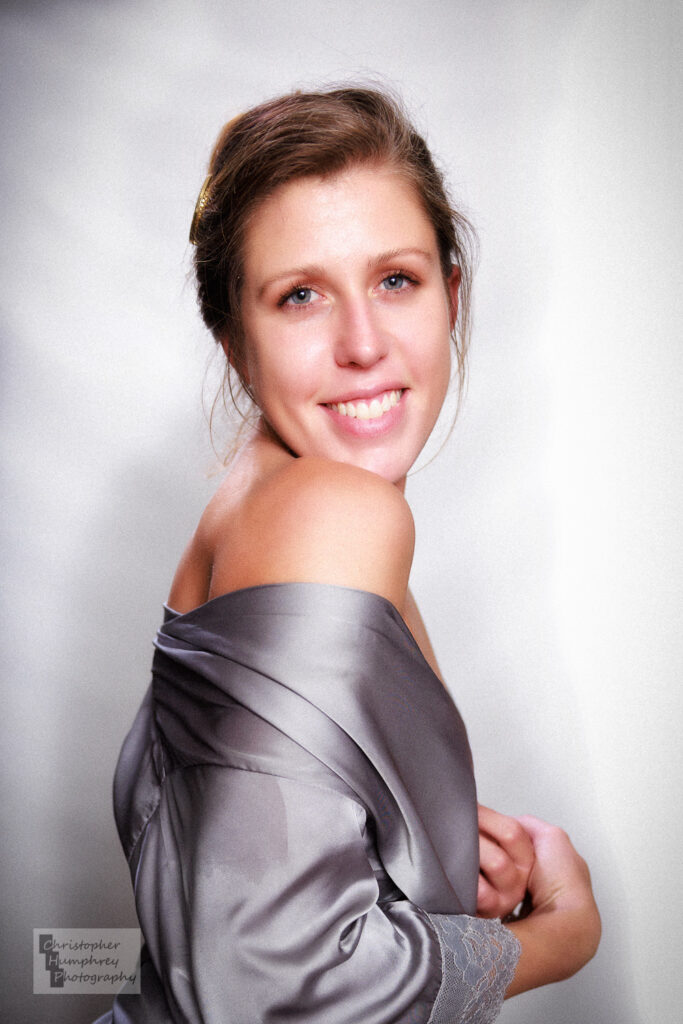
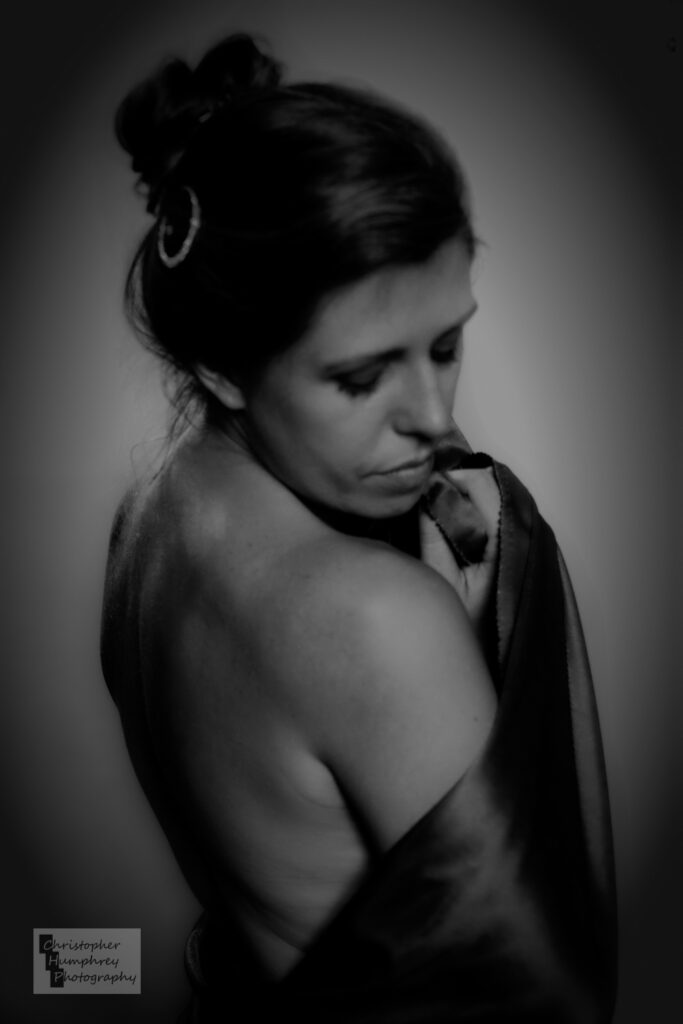
I have not even touched on mood — which is a product of a number of factors, like lighting and exposure (high-key, low-key), posing, expression, wardrobe and accessories.
Sheldon and I have been shooting together for a few years now, and doing so has forced me to try new things. The same intoxication with capturing beauty is there, but I realize as I shoot that I have captured this beauty many times before. She is my muse, and the challenge of shooting her again is the recurring creative question, “So what can I do that is new?” “How can I make a better image?”
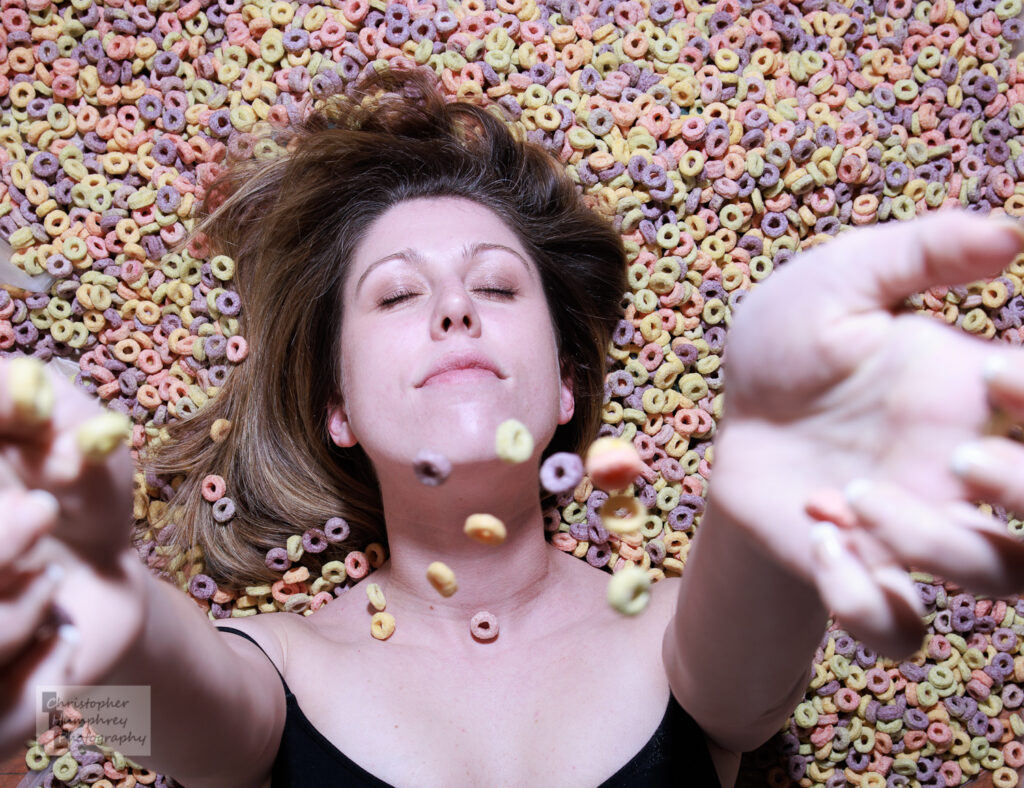
If you listen to children playing make-believe, you hear the weirdest things! “How did that come into her mind?” you ask yourself. A photo shoot is often like that: an idea occurs to you on the fly, and you have no idea where it came from. It is like child’s play — and it is sheer fun! The model, if she is at all spontaneous, can bring her own creative ideas, and the capturing of the image can be a marvelous delight.

Enjoy!